

In a world where size matters, the tiniest laptops are making a big splash. These compact wonders pack a punch, proving that great things really do come in small packages. Imagine having a fully functional computer that fits snugly in your bag or even your pocket. It’s like carrying a mini superhero that’s always ready to save the day—no cape required.
Overview of Smallest Laptops
Small laptops offer significant advantages for users seeking portability without sacrificing functionality. Convenience defines these devices, as they fit easily into bags or pockets for effortless transport. Many feature high-resolution displays and powerful processors comparable to larger models.
Examples of the smallest laptops include the ASUS ZenBook 13, measuring only 11.9 inches in size, yet it delivers robust performance with an Intel Core processor. Dell XPS 13 stands out for its sleek design and InfinityEdge display, which enhances the viewing experience despite its compact dimensions.
Battery life on small laptops typically exceeds expectations, often lasting up to 12 hours on a single charge. Lightweight designs enhance mobility, making them ideal for students and professionals who frequently travel.
Memory and storage options remain competitive. Devices such as the HP Spectre x360 offer configurations with up to 16GB of RAM and 512GB SSD options. Many users appreciate the quick boot times and rapid file access these specifications enable.
Connectivity options also fulfill modern demands. Most smallest laptops include USB-C ports, HDMI outputs, and wireless capabilities, ensuring seamless integration with peripherals.
Operating systems vary among devices, with options including Windows and macOS, allowing users to choose based on personal or professional preferences. This versatility enhances the appeal of the smallest laptops across diverse user demographics.
Top Smallest Laptops of 2023
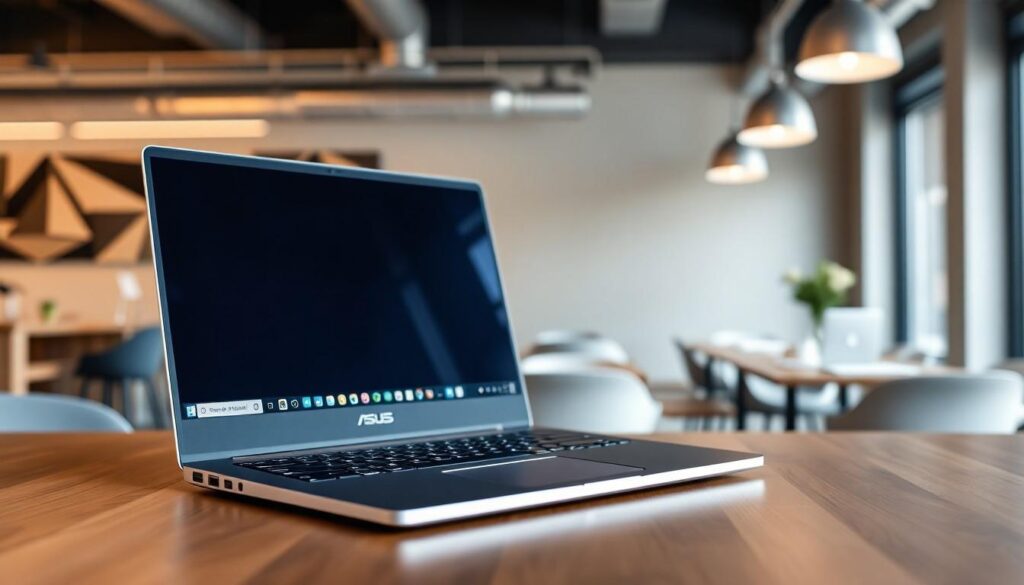
Small laptops stand out in 2023 for their impressive features and specs. These devices combine portability with functionality, catering to users who need reliable performance on the go.
Laptop 1: ASUS ZenBook 13 Features and Specs
The ASUS ZenBook 13 measures 11.9 inches and weighs just 2.5 pounds. It features an Intel Core i7 processor, ensuring exceptional performance. High-resolution 4K displays provide vivid visuals, while the battery lasts up to 13 hours. This model also offers 16GB of RAM and 512GB SSD storage, balancing speed and space. Connectivity includes Wi-Fi 6 and USB-C ports, making it versatile for modern needs.
Laptop 2: Dell XPS 13 Features and Specs
Dell XPS 13 sports a 13.4-inch InfinityEdge display, offering immersive viewing experiences. Weighing around 2.8 pounds, this laptop is lightweight yet powerful, equipped with up to an Intel Core i7 processor. Battery lifetime reaches 11 hours under standard use. With configurations up to 16GB of RAM and 512GB SSD storage, performance remains seamless. Its premium design showcases aluminum and carbon fiber materials, enhancing durability and style.
Laptop 3: HP Spectre x360 Features and Specs
The HP Spectre x360 is a 13.3-inch convertible laptop, easily transitioning between laptop and tablet modes. Weighing 2.87 pounds, it features an Intel Core i7 processor for high performance. Users can enjoy display options up to 4K and durable Gorilla Glass. The battery supports usage up to 12 hours, allowing all-day productivity. Memory options include up to 16GB of RAM and 512GB SSD storage, making it suitable for various tasks. Comprehensive ports like USB-C and HDMI ensure connectivity with ease.
Benefits of Choosing Smallest Laptops
Small laptops provide engaging options for those seeking performance in portable formats. Their compact designs make them ideal for anyone on the move.
Portability and Convenience
Portability stands out as a primary benefit of small laptops. Weighing around 2.5 to 2.8 pounds, models like the ASUS ZenBook 13 and Dell XPS 13 fit easily into bags without adding significant weight. Convenience extends beyond size; these devices enable users to work or study seamlessly from various locations. The 11.9-inch and 13.4-inch screens maximize usability while remaining compact. Users frequently appreciate the ease of handling these laptops in tight spaces, such as airplanes or cafes. Quick setup times and fast boot speeds further enhance their convenience, making them readily available when needed.
Battery Life Considerations
Battery life offers exceptional value in small laptops. Many models, including the HP Spectre x360, boast impressive battery longevity, often lasting up to 12 to 13 hours. Such durability allows users to work or enjoy entertainment without frequent charging. Real-world usage showcases their ability to withstand full days of activity, whether in classes or during business meetings. Enhanced battery efficiency combines with powerful processors, delivering robust performance alongside longevity. The combination of practical battery life and compact size creates an appealing solution for those prioritizing performance and mobility.
Limitations of Smallest Laptops
Despite their many advantages, smallest laptops come with notable limitations. Users often encounter specific challenges that can impact the overall experience.
Performance Challenges
Performance challenges often arise in compact devices. Limited internal space restricts the power and cooling capabilities, resulting in reduced processing speed compared to larger models. For instance, while an Intel Core i7 processor can deliver impressive performance, the small chassis can lead to overheating during intensive tasks. Performance may also vary when multitasking due to reduced RAM capacity, typically maxing out at 16GB. Users wanting to edit videos or run resource-heavy applications might experience significant slowdowns. Despite these issues, many small laptops provide adequate performance for everyday tasks.
Keyboard and Screen Size Issues
Keyboard and screen size issues can affect usability significantly. Small laptops typically feature compact keyboards, which can lead to cramped typing conditions. Users might find it challenging to maintain accurate typing speeds, especially during prolonged use. Additionally, screen resolution remains a concern, with compact displays sometimes sacrificing clarity for portability. Limited screen size complicates productivity, particularly for users involved in multitasking or requiring multiple windows. Contextually, this impacts workflows that rely on extensive screen real estate, where larger displays enhance visibility and comfort. Such factors necessitate careful consideration when selecting a small laptop.
Small laptops have transformed the way users approach mobility and productivity. Their combination of portability and powerful features makes them an attractive option for anyone needing a reliable device on the go. With impressive battery life and modern connectivity options, these compact machines cater to a diverse range of users.
While they excel in everyday tasks, potential buyers should keep in mind the limitations that come with smaller designs. Performance may lag under heavy loads and typing on compact keyboards can be a challenge. By weighing the advantages against the drawbacks, users can make informed choices that best suit their needs. The future of small laptops looks bright as technology continues to evolve, promising even more impressive advancements in this compact category.